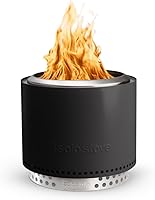
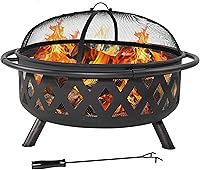
Can You Cook on a Smokeless Fire Pit?
Yes, you can cook on a Solo Stove with a compatible, model-specific cooking system. Use the matching fire pit, hub, and grill top, and cook over a shallow bed of embers as Solo Stove directs.
On this page (8 sections)
- Can you cook on a Solo Stove with any grill grate?
- Which cooking accessory suits your fire pit?
- What can you cook on a Solo Stove grill top?
- Should you cook over flames or embers?
- How do you set up for a fire pit meal?
- Which mistakes make cooking harder?
- How should you clean and store the cooking gear?
- Can you cook on a Solo Stove often enough to justify the gear?
Yes, you can cook on a Solo Stove with a compatible cooking system that matches your fire pit model. For the Bonfire and Ranger grill systems covered here, use the required hub and cook over a shallow bed of embers.
The best attachment depends on the pit you already have and the meals you want to make. Start with model compatibility, then choose a cooking surface that suits your food, storage space, and willingness to tend a wood fire.
Can you cook on a Solo Stove with any grill grate?
No, use a model-specific cooking system rather than choosing a grate just because it spans the opening. The Bonfire and Ranger grill tops each require their matching fire pit and hub.
A hub is a required part of these systems, not an optional stand. Don't replace it with loose bricks, an unrelated support, or cookware balanced on the rim.
Check the model name before ordering, especially if you're buying an accessory as a gift. For a broader look at the differences, see Solo Stove Ranger, Bonfire, and Yukon sizes.
Also separate cooking compatibility from smoke control. A pit's airflow design doesn't establish that it can safely support food or cookware; how a smokeless fire pit works explains that distinction.
Which cooking accessory suits your fire pit?
Choose the Bonfire bundle for a Bonfire, the Ranger top for a Ranger with its required hub, and the VEVOR grate for a separate compatible support arrangement. These products serve different setups and aren't interchangeable.
Bonfire owners who need the grill and hub together
The Solo Stove Bonfire Grill Top bundle suits Bonfire owners who want the cooking surface and matching hub in one package. It includes a 17.5 in cast iron cooktop, stainless steel hub, and carrying case.
At 20 lb, the bundle makes more sense for backyard meals or trips where you can unload near your cooking spot. The case helps with carrying and storage, but it doesn't remove the weight.
Skip it if you own a Ranger or another fire pit model. If you're choosing the pit itself, the Solo Stove Bonfire review can help you assess the larger setup before adding cooking gear.
Ranger owners planning smaller meals
The Solo Stove Ranger Grill Top suits Ranger owners who want to grill a few portions at a time. Its cooking surface measures 14.25 in across, and the cast iron top weighs 13 lb.
The Ranger Hub is required and isn't included with this grill top. Check your existing accessories before ordering so you don't end up with a cooking surface you can't use.
Skip this option if serving everyone at once matters more than keeping the setup compact. Cooking in batches is workable, but the first portions need somewhere clean to rest while the next batch cooks.
Camp cooks with a compatible supported grate setup
The VEVOR X-Marks Fire Pit Grill Grate suits cooks who need a rectangular surface for an approved open-fire arrangement. VEVOR describes it as supporting outdoor frying pans, skillets, and pots.
It measures 44 x 15 x 1 in and weighs 8.4 lb. That long shape needs secure support and enough storage space, even though it weighs less than either cast iron option here.
Skip it as an assumed shortcut for cooking on a Solo Stove, since compatibility isn't established. VEVOR specifies a maximum temperature of 572°F, so the cooking arrangement must also stay within that limit.
What can you cook on a Solo Stove grill top?
Choose foods that stay on the grill bars, such as steaks, hamburgers, sausages, and corn. Solo Stove names these foods for its Ranger grill system, and they make a practical starting menu.
Keep the first meal simple: one main food and a vegetable with a similar cooking time. A crowded grate leaves less room to turn food or move it away from a hotter patch.
Use larger vegetable pieces or skewers suited to cooking over fire. Tiny pieces are harder to manage over open grates, especially when you need to turn several portions quickly.
Can you cook on a Solo Stove with a pot or pan?
Use cookware only when the cooking system supports that use. Don't assume a grill top is approved to hold an arbitrary pot, skillet, or heavy pan.
For eggs, pancakes, or loose chopped vegetables, choose a compatible griddle or other cooking accessory intended for those foods. Decide on your usual menu before buying, since a grill surface won't replace a flat cooking surface.
Should you cook over flames or embers?
Use a shallow bed of embers for these Bonfire and Ranger grill systems. Solo Stove recommends starting with 4–6 medium split logs reduced to coals before cooking.
Build that wait into your meal plan. Lighting the fire when everyone is ready to eat encourages the common mistake of putting food over tall flames, which can scorch the outside before the center cooks.
Let the cast iron warm gradually before adding food. Solo Stove describes these tops as heating gradually and transferring heat steadily, so give the surface time rather than loading it as soon as coals form.
Use clean, kiln-dried hardwoods such as oak, hickory, maple, or pecan. Avoid softwood, plywood, construction scraps, painted or stained lumber, and composite logs containing accelerants.
Choose fuel for cooking as well as burning. Read the best wood for a smokeless fire pit for more help, and keep a thermometer ready to check food rather than relying on char.
How do you set up for a fire pit meal?
Set up the cooking area and food station before lighting so you can focus on the fire once it starts. Follow the pit and accessory instructions for assembly, placement, and clearances.
- Put the fire pit on a suitable, stable surface with the required space around it.
- Inspect the cooking parts and assemble the matching supports as directed.
- Set a stable prep table outside the hot area.
- Bring long-handled tools, heat-resistant gloves, a food thermometer, and separate plates for raw and cooked food.
- Prepare ingredients before lighting, keeping perishable foods chilled until needed.
- Reduce the fire to embers and warm the cooking surface as directed.
Keep children and pets away from the cooking area, including the path between your prep table and the fire. Handles can become hot too, so don't treat them as safe to grab barehanded.
Read fire pit safety basics for placement guidance. If you need help building the initial fire, start with how to light and use a Solo Stove.
Which mistakes make cooking harder?
The biggest mistakes are rushing the fire, crowding the surface, and adding unsuitable gear. Avoid those before trying a more complex meal.
Don't pile food across every available space. Leave room for turning and moving pieces, and cook another batch if necessary.
Don't add a large load of fresh wood just as food goes on. A sudden change in flame and heat makes timing harder; follow the accessory's directions for maintaining the ember bed.
Keep the pit's air openings clear rather than trying to control heat by blocking them. If smoke becomes a problem, why a Solo Stove may be smoking covers fuel and airflow checks.
Never use color alone to decide whether meat is ready. A food thermometer checks the center, while a browned surface only shows what happened outside.
How should you clean and store the cooking gear?
Let every part cool fully before cleaning, moving, or packing. Follow each accessory's care instructions, especially where cast iron and coated steel need different treatment.
For cast iron, remove food residue, dry the surface thoroughly, and maintain its seasoning as directed. Seasoning needs care, so don't leave greasy food scraps on the grill as a substitute for it.
Avoid leaving cooking gear wet outdoors or sealing damp parts inside a carrying case. Store clean, dry accessories where they won't collect rain or condensation.
Inspect supports, handles, and cooking surfaces before the next meal. Address loose parts, damage, or rust according to the manufacturer's instructions before cooking again.
Can you cook on a Solo Stove often enough to justify the gear?
Yes, cooking on a Solo Stove makes sense if you already enjoy tending a wood fire and want to add simple grilled meals. Choose the Bonfire bundle if you need its matching grill and hub, or the Ranger top if you have the required Ranger setup.
Skip an attachment if you mainly want quick meals with little fire preparation. If you're buying a pit primarily to cook, compare fire pits with a grill and the broader guide to smokeless, wood, and propane fire pits.
Use the VEVOR grate only where its support arrangement and temperature limit suit the fire setup. Before your first meal, review how to use a Solo Stove alongside your cooking accessory's instructions.
Frequently asked questions
Can you cook on a Solo Stove without an attachment?
For the Bonfire and Ranger grill systems covered here, you need the matching grill top, hub, and fire pit together. Don't balance cookware on the rim or add a general grate based on width alone, since a surface that spans the opening may still lack secure support.
Is it better to cook over flames or embers?
Use a shallow bed of embers for these Solo Stove grill systems, rather than cooking over tall flames. Solo Stove recommends reducing 4–6 medium split logs to coals first; allow the cast iron to warm gradually, and check food with a thermometer instead of judging doneness by surface char.
Can you cook on any smokeless fire pit?
No, you should only cook on a smokeless fire pit with a cooking setup its manufacturer supports. Check compatible accessories, required supports, fuel, and clearances before buying a grate; if your model has no supported cooking setup, choose a separate grill or a fire pit designed for cooking.
What wood should you use for cooking over a fire pit?
Solo Stove recommends kiln-dried hardwoods such as oak, hickory, maple, and pecan for these cooking systems. Avoid softwood, plywood, construction scraps, painted or stained lumber, and composite logs containing accelerants; choose clean wood of known origin and follow the fuel instructions for your fire pit.