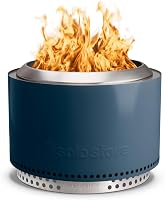
How Does a Smokeless Fire Pit Work?
A smokeless fire pit works by feeding oxygen to the fire and directing heated air above it for a second burn. This burns some gases and smoke particles before they escape, but dry fuel and clear vents still matter.
On this page (11 sections)
- How does a smokeless fire pit work?
- What should you choose beyond the airflow design?
- Who should choose the Solo Stove Bonfire with Stand?
- Who should choose the Tiki Patio 25-Inch Smokeless?
- Who should choose the Breeo X Series 24 Corten?
- Who should choose the Golabs FP1 19.5-Inch Smokeless?
- How do you set up a smokeless fire pit for a cleaner burn?
- Why can a smokeless fire pit still smoke?
- How should you clean and store a smokeless fire pit?
- Are smokeless fire pits worth the extra care?
- How does a smokeless fire pit work for your routine?
A smokeless fire pit works by feeding oxygen to the fire and using heated air to burn some gases and smoke particles above the wood. This process, called secondary combustion, reduces visible smoke once the fire gets hot enough.
The design helps, but it can't rescue a pile of wet logs or a chamber packed beyond its fill limit. Your fuel, setup, and fire management determine how well the airflow system can do its job.
How does a smokeless fire pit work?
A smokeless fire pit uses two stages of burning: the main wood fire and a second burn supported by preheated air. Many designs use a double wall to heat that air before it reaches openings near the rim.
The airflow follows a simple path:
- Cool air enters through openings near the base.
- Some air feeds the burning wood from below.
- More air travels upward between the walls and gets hot.
- Upper holes send that heated air into gases rising from the fire.
When heat, oxygen, and fuel gases meet, secondary flames can form near those upper holes. Some material that would otherwise leave as smoke burns there instead.
How does the second burn in a smokeless fire pit work?
The second burn works by adding hot oxygen where wood gases rise, helping them ignite before they leave the chamber. It depends on a strong fire, so don't expect the same effect from a few smoldering scraps.
A smokeless pit isn't a filter that catches smoke after it forms. It changes the burning conditions to consume more of the fuel before it escapes.
For a broader comparison of fuels and designs, see fire pits for home: smokeless, wood and propane compared.
What should you choose beyond the airflow design?
Choose by how often you'll move the pit, how you'll clean it, and what fuel you want to handle. Secondary combustion is only useful if the whole setup fits your routine.
Start with the space around the fire, including chairs, foot traffic, and the clearances required by the manufacturer. A pit fitting on your patio doesn't mean the patio has enough room to use it.
For regular travel, consider lifting weight and storage space before diameter. For a pit that stays home, access to the ash chamber and weather protection may matter more than carrying features.
Cooking plans also change the choice. Buy a model with compatible cooking equipment if meals are part of the goal, rather than assuming any grate will fit safely.
The best smokeless fire pits guide can help narrow those choices once you know your space and fuel needs.
Who should choose the Solo Stove Bonfire with Stand?
The Solo Stove Bonfire with Stand suits wood-fire buyers who split their time between the backyard and occasional trips. Its removable base plate and ash pan also suit anyone who wants easier access for cleanup.
This version is about 19.5 inches across and weighs about 21.7 lb. Its 304 stainless steel body has a high-heat ceramic coating, and a stand is included.
Choose it if you can comfortably lift that weight and want one pit for home use and travel. Before packing it, account for the space it will take beside chairs, firewood, and other gear.
Skip it if your main goal is switching between charcoal, pellets, and logs; the Golabs below supports those fuel choices. The included stand also doesn't replace checking surface requirements and clearances.
Who should choose the Tiki Patio 25-Inch Smokeless?
The Tiki Patio 25-Inch Smokeless suits backyard hosts who want a pit that mostly stays in one place. Its included weather-resistant cover helps with storage between gatherings.
It measures 24.75 inches across and weighs 45 lb, with 16-gauge stainless steel construction and a black powder-coated finish. A stand and removable ash pan are included.
Choose it if you want the option of ordinary firewood or TIKI Wood Packs without changing fire pits. Follow the instructions for whichever fuel you use rather than assuming both need the same loading method.
Skip it for frequent carrying between the car and campsite. Its weight makes it a better match for a planned backyard location than repeated loading and unloading.
Who should choose the Breeo X Series 24 Corten?
The Breeo X Series 24 Corten suits buyers planning a lasting backyard fire area with live-fire cooking accessories. Its compatibility with Breeo cooking equipment gives it a clear role beyond evening flames.
The corten steel body weighs about 62 lb and is made in the USA. That weight favors choosing its location before you start arranging the seating area.
Choose it if compatible cooking equipment is part of your plan, and allow room to work around the fire. Confirm which accessories you need before ordering rather than assuming cooking equipment comes with the pit.
Skip it if you need easy solo transport or frequent repositioning. Confirm the exact model dimensions before ordering, especially if it must fit a tight space.
Who should choose the Golabs FP1 19.5-Inch Smokeless?
The Golabs FP1 19.5-Inch Smokeless suits campers who value carrying features and several solid-fuel options. It supports wood, charcoal, and pellets, unlike a wood-only choice.
The body is about 19.5 inches across, and a handle, 3 fire pokers, and removable ash pan are included. Its 304 stainless steel construction has a high-temperature ceramic coating.
Choose it if your trips call for different approved fuels and you want a bag for packing the cooled pit. Follow separate fuel instructions, since loose pellets, charcoal, and logs need different loading and fire management.
Skip it if you want to avoid managing solid fuel and ash altogether. A propane burner follows a different process, as explained in propane vs. wood fire pits.
How do you set up a smokeless fire pit for a cleaner burn?
Set it on a stable, approved outdoor surface, then build a small, airy fire with dry fuel. Leave the lower vents open and keep wood below the manufacturer's fill limit.
Check local burning rules and weather conditions before lighting. Keep the pit away from enclosed spaces, overhanging branches, and other materials that could catch fire.
Use dry kindling to establish flames, then add split logs gradually. Leave gaps between pieces so air can reach the burning surfaces.
Allow the chamber to heat before expecting a strong second burn. Adding a large load too early can smother the small fire you just built.
Keep the instructions nearby for the first few uses. For a more detailed lighting sequence, read how to light and use a Solo Stove.
Why can a smokeless fire pit still smoke?
Smoke usually increases when the wood is wet, the fire is cool, or airflow is restricted. Some smoke during startup, refueling, and burn-down is normal because the fire's temperature changes.
These common mistakes work against the design:
- Using damp logs: heat goes into drying the wood, making a strong fire harder to maintain.
- Overfilling the chamber: wood above the upper holes releases smoke beyond the intended second-burn zone.
- Packing logs tightly: fewer gaps mean less air reaches the fire.
- Adding oversized pieces: they can be slow to catch and difficult to place below the rim.
- Leaving ash to build up: blocked lower openings limit the oxygen supply.
Add fuel while there are still strong flames to help new pieces catch. Don't keep adding logs when you want the evening to end; allow time for the remaining fuel to burn down.
For fuel preparation, see what wood works best in a smokeless fire pit. If smoke continues, work through why a Solo Stove is smoking, since many of the same airflow checks apply.
How should you clean and store a smokeless fire pit?
Clean only when the pit and ashes are completely cold, then clear debris from the air openings. Hidden embers can stay hot after visible flames disappear.
Follow the model's steps for removing an ash pan or reaching the chamber floor. Put cold ash in a suitable metal container rather than tipping it into a plastic bag.
Use the cleaning method approved for the finish, then let the pit dry before covering or packing it. Don't assume a carrying bag offers the same weather protection as an outdoor cover.
Check vents before the next fire, especially after storage. Leaves and other debris can block the air path even when the chamber looks clean.
Are smokeless fire pits worth the extra care?
A smokeless pit is worth considering if you want a real wood fire with less visible smoke and will keep dry fuel ready. It still requires lighting, refueling, cooling, and ash removal.
Less visible smoke doesn't make the exhaust safe to breathe, and the walls remain hot during use. Keep people clear of hot surfaces and follow fire pit safety basics for placement and local rules.
If you want quick starts without storing wood or clearing ash, compare other fuel types first. Read whether smokeless fire pits are worth it for the broader tradeoffs.
How does a smokeless fire pit work for your routine?
Match the pit to the work you're willing to do before and after the fire. Understanding how a smokeless fire pit works helps you choose, but dry fuel and clear air passages determine everyday results.
Pick the Bonfire for backyard use with occasional travel, or the Tiki for a gathering spot that stays set up. Choose the Breeo for a planned cooking area, or the Golabs for carrying features and fuel flexibility.
Before buying, settle the location, fuel storage, and cleanup plan. If you already have a pit that smokes, use smokeless fire pit troubleshooting before deciding you need a replacement.
Frequently asked questions
How does a smokeless fire pit reduce smoke?
A smokeless fire pit reduces smoke by feeding oxygen to the main fire and sending heated air into the flame zone above it. This second burn consumes some gases and smoke particles before they escape.
It works best once the pit is hot, with dry fuel and clear air passages.
Does a smokeless fire pit produce no smoke?
No, a smokeless fire pit can still produce smoke, especially during lighting, refueling, and the final burn-down. Damp wood, crowded logs, and blocked vents can make it worse.
Less visible smoke also doesn't mean clean air, so use the pit outdoors and avoid sitting directly in its exhaust.
What kind of wood works in a smokeless fire pit?
Use dry, seasoned firewood cut short enough to fit inside the chamber below the manufacturer's fill limit. Split pieces leave more room for airflow than oversized rounds and are easier to arrange.
Avoid wet wood, painted scraps, and treated lumber, and use only fuels approved for your specific model.
Why is my smokeless fire pit smoking?
The usual causes are damp wood, a fire that hasn't warmed up, too much fuel, or blocked airflow. Start by checking the wood and leaving gaps between logs.
Keep fuel below the upper air holes, and remove ash only after everything is cold, following the manufacturer's cleaning instructions.