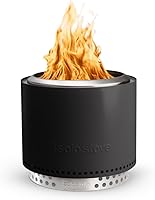
Propane vs Wood Fire Pit: Which Should You Buy? (October 2026)
In a propane vs wood fire pit comparison, choose propane for quick, adjustable fires or wood for crackling logs and a fire you tend. Decide based on permitted placement, fuel storage and how much time you want to spend starting, feeding and closing down each fire.
On this page (10 sections)
- Propane vs wood fire pit: which is easier to use?
- Which gives better heat and flame control?
- Does propane or wood produce less smoke?
- How do fuel storage and running costs compare?
- How much cleanup and care does each need?
- Which type fits your patio, deck or yard?
- Which of these fire pits suits your routine?
- What mistakes should you avoid before the first fire?
- How should you make the final propane vs wood fire pit decision?
- Related fire pit guides
Choose propane for quick, adjustable fires or wood for crackling logs and a fire you tend. The propane vs wood fire pit decision comes down to how you spend an evening, where the pit can safely sit and what fuel you can store.
A short drink outside favors propane because you can stop feeding the flame when you're ready to leave. A longer gathering can suit wood if you enjoy building the fire and can stay through its shutdown.
Start with permitted placement, then compare the work before and after each fire. An appealing flame won't make up for a setup that doesn't fit your space or schedule.


Propane vs wood fire pit: which is easier to use?
Propane takes less tending during a typical evening, while wood gives you more involvement in the fire itself. Choose around your ordinary routine rather than the biggest party you might host.
With propane, you check the equipment, connect a compatible tank and follow the ignition steps. Once lit, a model with flame control lets you adjust the fire without fetching more logs.
The Ciays 28-Inch Propane Table suits this routine with external flame control and a tabletop around the burner. It includes lava rocks and a lid for the fire area.
Wood needs preparation before you sit down: dry fuel, suitable kindling and a plan for adding logs. During the evening, someone needs to watch the fire and keep fuel within the pit's loading limits.
That extra work can be part of the appeal if you like arranging logs and watching them burn. Skip wood if everyone expects to head indoors as soon as the conversation ends.
For the gas routine, read how to use a propane fire pit. Account for cooling time even after a propane flame is off.
Which gives better heat and flame control?
Propane gives more direct flame control; wood gives a changing fire that responds to fuel and airflow. Neither guarantees equal warmth at every chair.
The Ciays has a maximum output of 50,000 BTU. That figure describes heat output, not a guaranteed comfort zone across your patio.
Wind, seating distance and the shape of the fire pit affect how much warmth reaches you. Avoid choosing solely by a heat number or moving chairs inside required clearances to feel warmer.
A wood fire builds and fades as logs catch and burn down. Adding a large load just before people leave creates more fire to manage when you want the evening to end.
If you want a steady-looking flame while eating or talking, propane is the simpler fit. Choose wood if you enjoy its changing flame, sound and pace enough to manage the fuel.
Propane also suits a household whose plans change often. You can follow the shutdown procedure when the evening ends, although hot surfaces still need protection from children, pets and covers.
Does propane or wood produce less smoke?
Propane avoids wood smoke and wood ash, making it the stronger choice when those are your main objections to a fire pit. It still burns fuel and needs open outdoor ventilation.
Wood smoke can drift toward seating, open windows or neighboring spaces as wind shifts. Before buying, consider where smoke could travel, not just where the fire pit will stand.
Smokeless wood models use airflow to help burn more of the smoke-producing gases. OutVue and TIKI describe their designs as reducing smoke, but neither turns a wood fire into a smoke-free appliance.
Dry fuel and clear air passages help these designs work as intended. Damp logs, overloaded chambers and fuel piled above the recommended level can undermine the airflow.
The smell of a wood fire may linger on clothing even when visible smoke is low. If that would keep you from using the pit, choose propane rather than expecting a smokeless design to remove the issue.
Read how a smokeless fire pit works for the airflow details. Our smokeless vs propane fire pit comparison focuses more closely on those two options.
How do fuel storage and running costs compare?
Choose the fuel you can store safely and replace easily, then compare what a normal evening will use. Neither fuel is always cheaper.
Propane requires a compatible cylinder and access to a refill or exchange source. Store cylinders upright outdoors as directed, away from heat, ignition sources and enclosed living spaces.
Think through the refill trip before buying. A fire table loses much of its convenience if you regularly discover an empty cylinder just before guests arrive.
Wood needs a dry, ventilated storage area and a way to keep suitable logs ready. Freshly cut or rain-soaked wood is a poor shortcut because moisture makes lighting harder and increases smoke.
Compare local fuel costs using your likely session length. Propane consumption rises with flame setting, while wood use depends on the fire you build and how often you feed it.
Also count the equipment your routine requires, such as wood storage, ash handling tools or weather protection. Check included items before comparing the overall setup, rather than judging only the fire pit itself.
How much cleanup and care does each need?
Propane avoids log ash; wood requires cooled-ash removal after the fire. Both need regular inspection, dry storage or protection, and clear air passages.
For propane, inspect the hose, connections and burner area as the manual directs. Ciays calls for a soapy-water leak check before use; never use a flame to look for leaks.
Keep burner openings and ventilation areas free of debris. If you smell gas or find a leak, stop use and follow the shutdown and repair instructions before relighting.
For wood, remove ash only when the fire pit and contents are completely cool. Use a metal ash container with a lid, kept on a noncombustible surface away from structures and other combustible materials.
The OutVue has a removable ash tray, which helps with the routine after a gathering. Its included poker gives you a tool for tending fuel without reaching into the fire area.
Don't leave ash sitting wet inside a wood pit, and clear air openings according to the manual. A cover helps between uses, but fitting it over a warm pit can damage the cover and trap heat.
Which type fits your patio, deck or yard?
Permitted placement comes before fuel preference. Measure the fire pit, required clearances and seating area before deciding that either type fits.
A compact pit still needs space around and above it. Include nearby railings, branches, furniture and walking routes when measuring, and use the manual's distances rather than a general rule of thumb.
The Ciays measures 28 x 28 x 25 inches. Its table surface can hold drinks or snacks around the fire area, but items must stay within the placement limits in its instructions.
OutVue specifically prohibits use on grass or wooden floors. A yard with plenty of open space still needs a suitable base for this model.
An included stand doesn't establish permission to use a wood pit on a combustible surface. A heat mat also doesn't override the fire pit manual or local restrictions.
Check landlord, association and local fire rules before ordering. Wood and gas may face different restrictions, and a burn ban can change what is permitted on a given day.
Our fire pits for decks guide covers deck choices. For a wood deck and gas setup, read can you put a propane fire pit on a wood deck?.
Which of these fire pits suits your routine?
Choose Ciays for short patio sessions, OutVue for a larger wood-fire gathering, or TIKI for regular log-fire evenings. Their different fuel routines matter more than small differences in size.
Propane vs wood fire pit choice for short evenings: Ciays
The Ciays is the clearest fit if you want to sit outside after dinner without preparing logs. Its table format also suits conversations where people want somewhere to set a drink.
Skip it if the sound and smell of burning wood are central to the experience you want. Also pass if you can't provide suitable cylinder storage or enough room around a fixed table-and-chair arrangement.
Treat the lid as part of the cooled-down setup, not a way to smother an operating burner. Don't assume a fire table doubles as a cooking appliance.
OutVue for groups that enjoy tending a fire
OutVue describes its 27-inch stainless steel pit as suitable for gatherings of 7–10 people. That is a group-size guide, not a promise that every seat will feel equally warm.
It accepts wood or pellets and assembles without tools. At 47.5 lb, however, it needs more thought than a lightweight item you carry casually between locations.
Choose it for a suitable backyard setup where feeding the fire is part of the evening. Skip it if your only available surface is grass or wood, or you need a fire you can finish quickly.
TIKI for a regular backyard gathering spot
The TIKI Patio is designed for groups of 4–6 and uses 16-gauge stainless steel with a black powder-coated finish. Its included stand and weather-resistant cover help complete a recurring backyard setup.
It accepts natural cut firewood or TIKI Wood Packs, giving you a choice of fuel formats. At 45 lb, it makes more sense for a planned gathering spot than frequent carrying.
Choose it if you'll use a wood pit often enough to make fuel preparation worthwhile. Skip it if you want a complete tending kit in the box, since the compatible screen and poker are sold separately.
What mistakes should you avoid before the first fire?
Avoid buying before checking placement, and plan shutdown before lighting. Those two steps prevent many problems that a different fuel type won't solve.
Don't put either type in a garage, enclosed room or other space that lacks the required outdoor ventilation. An overhead shelter needs explicit allowance and clearances in the manual.
Never use gasoline or similar accelerants to start a wood fire. Burn only approved fuel, and don't treat the fire pit as a place to dispose of trash or treated lumber.
Don't add unapproved rocks, decorative media or accessories to a gas burner. Arrange the supplied media as directed so it doesn't block parts that need to remain clear.
Keep a sober adult responsible for the fire throughout use and cooling. Agree on a boundary for children and pets before lighting rather than trying to enforce it once everyone gathers.
For wood, stop adding logs early enough to manage the remaining fire safely. Follow the manual and local guidance for extinguishing; don't assume pouring water into every metal pit is appropriate.
Before your first evening, review fire pit safety basics for fuel, space and local-rule checks.
How should you make the final propane vs wood fire pit decision?
Pick the fire pit whose routine you'll be willing to repeat, after confirming it can go where you need it. Use these final choices to break a close decision.
- Choose Ciays if short sessions, flame adjustment and a table surface matter most, and you can manage a propane cylinder.
- Choose OutVue if you want a group wood fire, have a suitable base and will handle tending and cooled ash.
- Choose TIKI if regular log-fire gatherings appeal to you and its stand, cover and fuel options fit that plan.
- Wait before buying if placement, local permission or safe fuel storage is still unresolved.
If cooking is a main goal, choose a model and accessories expressly approved for it. Fuel choice alone doesn't establish that a fire pit can serve as a grill.
For more styles, start with fire pits for home: smokeless, wood and propane compared. Use our guide to choosing fire pit fuel, size and material to check the size and construction once you've settled on fuel.
Related fire pit guides
Choose the guide that answers your next setup question. These cover the details worth resolving before the first fire.
- Smokeless vs propane fire pit: which is better?
- How to use a propane fire pit
- How a smokeless fire pit works
- Best fire pits for decks
For your propane vs wood fire pit choice, make shutdown time the tie-breaker: propane suits an evening that ends on your schedule, while wood suits one planned around tending logs and managing embers.
Frequently asked questions
Is propane or wood better for a fire pit?
Propane is better for short, controlled patio sessions; wood is better if tending logs is part of the evening you want. Choose only after checking permitted placement and fuel storage, since a convenient fuel still needs suitable clearances, outdoor ventilation and a safe shutdown routine.
Does a propane fire pit make less smoke?
Yes, propane avoids the wood smoke and flying wood ash associated with a log fire during normal operation. It still produces combustion gases, so use it outdoors with the required ventilation and clearances.
If a propane flame becomes unusually sooty or behaves poorly, stop use and follow the manual.
Is a wood fire pit cheaper to run?
Wood isn't always cheaper to run. Compare local fuel costs, the length of your usual fires and whether you already have suitable dry firewood storage.
Propane use changes with flame setting and session length, while damp or unsuitable wood can waste fuel and make a fire harder to manage.
Can you use a propane fire pit on a wood deck?
Only use a propane fire pit on a wood deck if its manual and applicable local rules allow that placement, with all required clearances and protection. Read our guide to propane fire pits on wood decks before setting one up, and check any deck or property restrictions.
Are smokeless wood fire pits smoke-free?
No. Smokeless wood fire pits reduce smoke under suitable burning conditions, but startup, damp fuel and blocked airflow can still create smoke.
They also leave hot embers and ash that need careful handling.
Our guide to how a smokeless fire pit works explains the airflow and fuel choices involved.