How Much Does a Fire Pit Cost?
How much a fire pit costs depends on the complete setup: the pit, fuel, required surface protection, and accessories. Choose the features you'll use, then compare options with those extras included.
On this page (8 sections)
- How much does a fire pit cost by type?
- Which features are worth including in your budget?
- Does a basic fire pit give you better value?
- What ongoing costs should you include?
- What setup costs can change your decision?
- Which mistakes waste money or shorten a fire pit's life?
- How can you compare fire pit costs fairly?
- How much should you budget for a fire pit you'll use?
How much a fire pit costs depends on the pit, fuel, accessories, and suitable placement. A simple wood bowl serves a different purpose from a cooking table or a smokeless model, so compare complete setups rather than the pit alone.
Start with how often you'll light it and what you'll do around it. Occasional fires call for fewer features than regular outdoor meals or evenings where smoke reduction matters.
How much does a fire pit cost by type?
Compare fire pits within the same type first, then decide which features deserve your budget. Basic wood bowls, cooking models, smokeless pits, and propane designs have different equipment and fuel needs.
| Type | What you're paying for | Best reason to choose it |
|---|---|---|
| Basic wood bowl | A fire bowl and any included spark screen or tools | Occasional fires with simple equipment |
| Wood pit with grills | Cooking surfaces and a frame that supports them | Meals around a wood fire |
| Smokeless wood pit | Airflow designed to reduce smoke | Frequent fires where smoke is a concern |
| Propane fire pit | A gas burner and fuel connection | Fires without handling logs or ash |
A feature-rich pit can reduce separate accessory purchases, but only if those accessories suit your plans. An included grill has little value if you won't cook.
Smokeless designs still need proper fuel and airflow. Read how a smokeless fire pit works before paying extra for that feature.
Which features are worth including in your budget?
Pay for features that solve a recurring need: cooking space, easier cleanup, portability, or protection between uses. Size and material matter too, but a larger pit isn't automatically a better fit.
Measure the whole seating area before choosing a diameter. You need room for the manufacturer's clearances, chairs, and a walking path, beyond the space the pit occupies.
How do cooking features affect fire pit cost?
Compare a cooking pit with the equipment it replaces, including grills and a separate table. That makes more sense than comparing it only with a bare bowl.
The OutVue 36-Inch with 2 Grills suits buyers who want outdoor meals and a fire in the same spot. Its 2 cooking grills adjust in height and swivel, while the lid lets the cooled pit serve as a table.
The 36-inch tabletop surrounds a 24-inch fire bowl, so don't mistake the outside width for fuel space. Skip this model if you want a compact pit to move often or have no use for the cooking surfaces.
During assembly, leave screws loose until all pieces connect, then tighten them as directed. Keep a separate place for raw food and utensils, and use the table configuration only after the fire is out and everything is cold.
When is a smokeless design worth the extra budget?
Prioritize smoke reduction when smoke would keep you from using the pit, then compare cleanup and transport needs. These features address different parts of the experience.
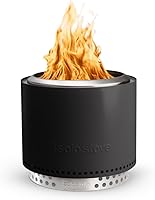
The Solo Stove Bonfire with Stand suits buyers who want a wood fire at home and on trips. It has a 19.5-inch diameter, weighs about 21.7 pounds, and includes a stand plus a removable base plate and ash pan.
Solo Stove uses heated airflow to burn particles that would otherwise contribute to smoke. Skip it if cooking grills or a table surface are your main reason to buy, since those parts aren't included in this set.
The Tiki Patio 25-Inch Smokeless fits buyers who want a pit that mostly stays in one outdoor spot. Its 45-pound weight makes frequent carrying less appealing than with the Bonfire.
TIKI includes a stand, removable ash pan, and weather-resistant cover. It accepts natural cut firewood or TIKI Wood Packs, while cooking and other optional accessories are sold separately.
Choose it if included weather protection matters and you have storage room. Skip it for frequent transport or if your main goal is a ready-equipped cooking station.
Does a basic fire pit give you better value?
A basic bowl makes sense when you want occasional fires without extra functions. Judge value by what you'll use, rather than by how many features fit into the package.
The Gas One 22-Inch Wood Burning suits small gatherings and camping where wood fires are allowed. It combines a 21.5-inch alloy steel bowl with a mesh lid and fire picker.
The screen helps contain sparks, but it doesn't catch every ember or make the surrounding area safe by itself. Use heat-resistant gloves when handling hot parts, even if they have handles.
Skip this option if reduced smoke or a removable ash pan is central to your choice. Its included tools suit tending a simple fire, rather than replacing a full outdoor cooking setup.
For broader comparisons, see fire pits for home compared by fuel and style and our guide to choosing a fire pit by fuel, size, and material.
What ongoing costs should you include?
Fuel, storage, and care belong in your budget from the start. Think in terms of your expected fires per month, since frequent use changes the importance of running costs.
Compare the amount of usable fuel you'll get locally, how you'll store it, and the effort of bringing it home. Free wood isn't a useful saving if it's wet, treated, or unsuitable for burning.
For wood pits, keep dry fuel raised off wet ground and protect it from rain while allowing airflow. Our guide to choosing wood for a smokeless fire pit explains why fuel condition matters.
Propane needs an approved fuel supply and refills. Compare propane and wood fire pits if fuel handling, ash cleanup, or convenient starts will shape how often you use yours.
Allow for cooking tools only if meals are part of the plan. Avoid buying a full accessory set before you've worked out which pieces fit your pit and routine.
What setup costs can change your decision?
Placement can decide which fire pit you should buy before features do. Check the manual, property rules, and local fire restrictions before committing to a model.
A level, noncombustible surface may already be available in your yard. If you need to prepare a suitable area, include that work in the total before comparing pits.
An included stand doesn't approve every surface. Review whether you can put a fire pit on a wood deck before planning a deck installation.
Check overhead branches, nearby fences, and where smoke could travel. A small patio can rule out a wood pit even when its bowl physically fits.
Keep an appropriate way to extinguish a fire nearby, and plan a clear route around the seating. Use our fire pit safety basics to review fuel, space, and local rules together.
Which mistakes waste money or shorten a fire pit's life?
Buying before checking placement and duplicating included accessories are avoidable mistakes. Read the package contents and care instructions before adding extras.
- Buying too large: A wider pit can crowd seating and leave less room to move safely.
- Treating smokeless as smoke-free: Damp wood and poor loading can still produce smoke.
- Using unsuitable fuel: Don't burn trash, painted wood, or pressure-treated lumber.
- Covering a warm pit: Wait until the fire and embers are completely cold before fitting a cover.
- Leaving wet ash inside: Remove cold ash as directed and keep the pit dry between uses.
Keep air openings clear, and don't pile logs above the loading guidance. More wood can block airflow rather than improve the fire.
Inspect coated surfaces and follow the brand's care directions if damage appears. A weather-resistant cover helps between uses, but it doesn't replace cleaning and dry storage.
How can you compare fire pit costs fairly?
Build the same complete shopping list for each contender. Include only the extras each model needs for your intended use.
Write down the pit, required placement work, fuel, storage, cover, and any cooking equipment. Then separate the items you need immediately from optional additions you can buy later.
Compare portability by both weight and shape, including where you'll carry or store the cooled pit. A compact diameter doesn't guarantee an easy trip through a narrow gate or into a vehicle.
If you still have several options, compare the best fire pits for different outdoor setups and eliminate any model whose main features you won't use.
How much should you budget for a fire pit you'll use?
Your fire pit budget should cover the simplest complete setup that fits your routine. When deciding how much a fire pit should cost you, choose placement and fuel first, then the features that earn their place.
Pick Gas One for occasional small gatherings, or OutVue when cooking and a cooled table surface are priorities. Choose Bonfire for smoke reduction with easier transport, or TIKI for a mostly stationary setup with a cover included.
Before ordering, confirm that your preferred model fits the space and allowed fuel type. Use our fire pit selection guide to settle those choices before adding optional accessories.
Frequently asked questions
How much should I spend on a fire pit?
Spend enough to cover the pit, suitable placement, fuel, and the accessories you'll use. For occasional fires, start with a simple wood bowl; for frequent use, consider whether easier ash removal, reduced smoke, or cooking features justify a larger share of your budget.
Are smokeless fire pits more expensive?
A smokeless label alone doesn't establish which pit costs more. Compare complete setups with similar size and included parts, then decide how much smoke reduction matters to you.
Dry wood and proper loading still matter, so allow room in your budget and storage area for suitable fuel.
What costs extra with a fire pit?
Fuel, a cover, cooking tools, and any surface protection required by the manufacturer can add to your total. Check the included parts before buying extras, and leave room for fuel storage.
A stand or mesh screen doesn't remove the need for safe clearances and suitable placement.
Is a wood or propane fire pit cheaper?
Neither fuel type is always cheaper once the whole setup is included. Compare local fuel costs, expected use, included equipment, and any changes your outdoor space needs.
Wood also brings ash cleanup and dry storage needs, while propane requires a compatible cylinder or other approved fuel connection.