How to Choose a Fire Pit: Fuel, Size and Material
The best fire pit matches your fuel preference, available space and cleanup routine. Choose wood for a traditional fire, propane for adjustable flames, and a lighter model if you'll carry it between locations.
On this page (10 sections)
- What fuel should you choose for the best fire pit?
- How large should a fire pit be?
- Does fire pit material matter?
- Which fire pit examples fit different needs?
- What should you check before buying?
- How should you set up and light a fire pit?
- What care keeps a fire pit ready for the next use?
- Which common mistakes should you avoid?
- How do you choose the best fire pit?
- Related fire pit guides
The best fire pit is one you'll have room to use safely and want to maintain. Choose wood for a traditional fire, propane for adjustable flames without wood ash, or a lighter wood model if you need to carry it.
Start with your usable outdoor space, then choose fuel and size. A large fire pit won't help if chairs block the walkway or its required clearances push it beyond your patio.
Our guide to wood, smokeless and propane fire pits explains the main styles. Below, you'll find the buying decisions that separate a good fit from a fire pit that stays covered.
What fuel should you choose for the best fire pit?
Choose wood for the fire-building experience and propane for flame control. Your fuel choice also determines storage, cleanup and how you finish the evening.
| Fuel | Best suited to | Routine to expect |
|---|---|---|
| Wood | People who enjoy building and tending a fire | Store dry fuel, add logs and remove cold ash |
| Propane | People who want an adjustable flame | Manage a compatible tank, inspect connections and follow shutdown steps |
When is wood the better choice?
Wood suits longer evenings when tending the fire is part of the activity. You'll need somewhere dry for fuel and somewhere suitable for the fire pit to remain while embers cool.
Smokeless wood models use airflow to reduce smoke once the fire is burning well. They still produce smoke, especially during lighting or with damp fuel, so don't choose one expecting a smoke-free space.
Consider your neighbors and prevailing wind as well as your own seating. A low-smoke design doesn't remove the need for suitable placement or compliance with local burning rules.
When does propane make more sense?
Propane suits people who want to adjust the flame during a short conversation or an evening meal. There's no burned-log ash to empty, though the burner area and fuel connections still need care.
Think through tank changes before choosing a table position. You need room to reach the connection without dragging furniture aside or placing a hose where people walk.
Our propane vs wood fire pit comparison helps settle the fuel decision. For wood-burning designs, how a smokeless fire pit works explains why airflow and fuel quality matter.
How large should a fire pit be?
Choose a fire pit for your normal group and the full seating layout, rather than your largest possible party. The body is only the center of the space you'll need.
A wider fire pit takes more floor space, but diameter isn't a reliable measure of warmth at every chair. Wind, fuel, flame size and seating distance all affect comfort.
Use these examples to compare physical footprints:
| Example | Outside dimensions | Layout to consider |
|---|---|---|
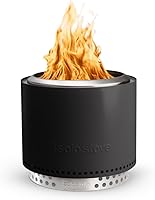
| Solo Stove Bonfire with Stand | 19.49 in diameter x 17.52 in high | A compact wood-fire setup you can move |
| Tiki Patio 25-Inch Smokeless | 24.75 in diameter x 18.75 in high | A regular patio gathering spot |
| OutVue 27-Inch Smokeless | 27 in diameter x 19.2 in high | A wider wood-burning centerpiece |
| Ciays 28-Inch Propane Table | 28 in wide x 28 in deep x 25 in high | A square table within a seating group |
A square table and a round fire pit also use space differently. Mark the actual shape, including corners, rather than comparing width alone.
How do you measure an area for the best fire pit fit?
Mark the fire pit's footprint, then arrange chairs around it with every required clearance preserved. Pull chairs back as someone would when standing, and leave a clear route out of the group.
Check overhead space and nearby objects before deciding the location works. Roof edges, branches, fences and furniture can rule out an otherwise convenient spot.
Include access for adding wood or reaching propane controls. A layout that requires leaning across a flame or stepping between crowded chairs needs more room.
For deck placement, read our guide to fire pits for decks. For wood surfaces, also check whether a fire pit can go on a wood deck before choosing a model.
Does fire pit material matter?
Material matters because it affects handling and care, but it doesn't replace a good storage plan. Compare construction, finish and cleanup access together.
The Tiki uses 16-gauge stainless steel with a black powder-coated finish. The OutVue uses stainless steel with a painted finish, while the Ciays table uses alloy steel.
The Solo Stove Bonfire uses 304 stainless steel with a high-heat ceramic coating. Follow each brand's care instructions rather than assuming the same cleaner or brush suits every finish.
Weight deserves separate attention. A durable-looking body may be awkward to lift, especially when your route includes stairs, a narrow gate or a high storage shelf.
If the fire pit will stay outside, plan protection before buying. A cover should fit securely, but it only goes on after the unit is fully cool and cared for as directed.
Which fire pit examples fit different needs?
Choose the Tiki for a regular patio wood fire, OutVue for a wider wood setup, Ciays for propane control, or Bonfire for easier carrying. Each solves a different problem, so start with the task you need it to do.
Tiki Patio 25-Inch Smokeless
Choose the Tiki for a regular patio gathering area where you'd rather leave the fire pit in place between uses. Its included stand, weather-resistant cover and removable ash pan cover several practical setup and cleanup needs.
TIKI describes this model as suitable for 4–6 people and gives it a 4-foot heat radius. Treat that as a planning reference, since wind and weather affect how warmth reaches your seats.
It burns natural cut firewood or TIKI Wood Packs. That choice suits buyers who want to use logs on some evenings and the brand's prepared fuel on others.
Skip it if frequent carrying is your priority. At 45 lb, it makes more sense for a regular gathering spot than a routine trip between storage and a distant campsite.
TIKI's compatible screen and poker, heat deflector, tabletop and griddle are sold separately. Decide which activities matter before adding accessories, and follow their placement and operating instructions.
For routine care, wait until everything is cold before emptying the ash pan. Keep the cover accessible so protecting the unit becomes part of packing up rather than a separate chore.
OutVue 27-Inch Smokeless
Choose the OutVue if you want a wider wood-burning centerpiece and have a suitable place to keep it. OutVue describes it for gatherings of 7–10 people, though your seating still needs to fit the required clearances.
The package includes a waterproof cover and poker. Its tool-free assembly helps with setup, but its 47.5 lb weight makes carrying a separate consideration.
OutVue says the internal airflow system reduces smoke, and it allows wood or pellets. Follow the fuel-loading instructions for the fuel you choose rather than treating logs and pellets as interchangeable during lighting.
Skip this model for grass or wooden floors. OutVue specifically excludes those surfaces, so a large yard alone doesn't establish a suitable location.
It also isn't the strongest match for someone who needs a light camping load. Easy assembly doesn't make a heavy body easier to carry from the car.
The removable ash tray helps with cold cleanup. Plan enough storage space for the assembled unit in the cool, dry location OutVue recommends.
Ciays 28-Inch Propane Table
Choose the Ciays if you want a fire table with adjustable flames and space for drinks or snacks. Its external flame control suits evenings when you want to change the flame without adding or rearranging logs.
Ciays gives the burner an output of up to 50,000 BTU. That figure describes output, not a promise that every seat will feel equally warm.
Lava rock and a lid are included. Keep items away from the burner and follow the manual for lid use, including the required shutdown and cooling steps.
Skip it if you want a wood fire or frequent relocation. The table weighs 57 lb, and a propane setup adds fuel-management tasks that a wood-only buyer may not want.
Before first use, follow the connection instructions and Ciays' direction to check for leaks with soapy water. Never use a flame to check a connection.
Arrange seating so someone can reach the control without moving close to the burner. Leave clear access to the tank connection for inspection and replacement.
Solo Stove Bonfire with Stand
Choose the Bonfire if you want a wood fire pit that's easier to move between home and trips. At 21.7 lb, it's lighter than the other examples here, though you still need room to carry and store it.
The package includes a stand, removable base plate and ash pan. Those removable parts give you access for cleanup once the fire pit and ash are completely cold.
Solo Stove says its airflow system supports a secondary burn of particles that would otherwise become smoke. Dry fuel and unobstructed airflow remain part of getting a wood fire burning well.
Skip it if you want instant flame adjustment or no ash routine. Its smaller body doesn't change the work involved in lighting, tending and cooling a wood fire.
Solo Stove describes the stand as suitable for most heat-sensitive surfaces. Confirm approval for your exact surface and setup rather than treating the stand as permission to use it anywhere.
For trips, allow for the return journey too. You need time for complete cooling before handling or packing the fire pit.
What should you check before buying?
Check placement first, then fuel, handling and upkeep. A model that fails the placement check should leave your shortlist before you compare accessories.
- Allowed location: Confirm local rules and the manual's surface and clearance requirements.
- Usual group: Plan seats for the people who will use it most often.
- Fuel routine: Identify where you'll keep dry wood or manage the propane supply.
- Moving route: Consider steps, gates, lifting height and storage access.
- Cleanup access: Check how you'll reach the ash pan or maintain the burner area.
- Included parts: Separate essentials from accessories you'll need to add.
- Storage: Decide where the cooled fire pit and its loose parts will go.
Don't choose mainly by the largest size or highest stated output. A smaller setup that fits your seating and routine is more useful than a larger one you rarely uncover.
Also separate a table surface from cooking equipment. Space for snacks doesn't make a burner suitable for cooking, and any cooking accessory must be approved for that exact model.
How should you set up and light a fire pit?
Set up on an allowed, level surface with clear space around and above it. Read the manual before assembly so you can confirm required parts, fuel and operating steps.
For wood models, gather dry, approved fuel before starting. Use the prescribed lighting method, leave airflow openings clear and keep fuel within the model's loading limits.
Avoid piling in extra wood to chase a taller flame. An overloaded fire can interfere with airflow and put burning material where it doesn't belong.
For propane, follow the specified connection, leak-check and ignition sequence. If you smell gas or suspect a leak, stop and follow the manual's instructions before trying to light it.
Keep children and pets out of the operating area, and keep a suitable extinguishing method available. Don't leave a burning fire pit unattended.
Our guides to how to use a propane fire pit and how to light and use a Solo Stove explain the next steps for those setups.
What care keeps a fire pit ready for the next use?
Remove cold ash, protect the finish and store the fire pit as directed. A removable ash pan helps only if you empty it regularly and keep air passages clear.
Ash can hide hot embers after visible flames disappear. Wait until it is completely cold and use a suitable metal container for disposal rather than putting uncertain ash into household trash.
Don't scrub a coated surface with tools or cleaners the brand hasn't approved. Inspect removable parts as you put them back so the next fire starts with everything correctly seated.
For propane tables, keep the burner area free of debris and follow the inspection schedule in the manual. Don't alter the burner or fuel connections to change the flame.
If you need separate protection, our guide to fire pit covers explains fit considerations. Covering a warm unit to finish faster is a mistake, even when the cover fits well.
Which common mistakes should you avoid?
Avoid choosing by appearance, assuming “smokeless” means no smoke, or treating accessories as universal safety fixes. These mistakes affect how often and where you'll use the fire pit.
Buying for the occasional large party: Size for your regular group first. A larger body can make everyday seating and storage harder without improving your usual evening.
Using damp or unsuitable wood: Poor fuel makes starting harder and can increase smoke. Our guide to wood for smokeless fire pits helps you plan fuel storage and selection.
Confusing included protection with approval: A stand, lid or cover has a specific purpose. None overrides surface restrictions, clearances or local rules.
Forgetting the end of the evening: Wood fires need time to burn down and cool. If you routinely need to leave quickly, choose fuel and a setup that suit that schedule.
How do you choose the best fire pit?
Choose the best fire pit by eliminating unsuitable locations and routines first. Then use the differences below to make the final call.
- Choose Tiki for a regular patio wood-fire area with a stand and cover included.
- Choose OutVue for a wider wood-burning setup on an allowed surface, with storage close by.
- Choose Ciays for a propane table with external flame control and a surface for drinks or snacks.
- Choose Bonfire when carrying weight matters and you still want a wood fire.
If none fits your available clearances, keep looking rather than squeezing one into place. Read our fire pit safety basics before setting up your choice.
Related fire pit guides
Use these guides to resolve a remaining fuel or placement question before you buy.
- Fire pits for home: smokeless, wood and propane compared
- How a smokeless fire pit works
- Propane vs wood fire pits
- Fire pit safety basics
The best fire pit for your home is the one that fits your space, fuel habits and shutdown routine. Settle those details before choosing the finish or adding accessories.
Frequently asked questions
What type of fire pit is best for a small patio?
Choose a fire pit that leaves enough space for seating, walking and every clearance in its manual; measure the complete setup before choosing wood or propane. A narrow body saves floor space, but overhead restrictions, nearby furniture and access to the fuel supply can still rule it out.
Is a wood or propane fire pit better?
Wood is better for a traditional fire if you accept fuel storage, tending and ash removal; propane is better for adjustable flames without wood ash. Choose based on the evenings you'll actually have, including the time needed to prepare fuel, shut down and store everything afterward.
How big should a fire pit be?
Choose a size for your usual group, then confirm that the full seating area fits safely; measure the outside body rather than relying on its rounded size name. Include pulled-back chairs, a clear walking route and all required distances from buildings, furniture and overhead objects.
What material should I choose for a fire pit?
Choose material alongside weight, finish and your storage plan; stainless steel appears in several wood-burning options here, while the propane table uses alloy steel. Neither choice removes the need for care: follow the brand's cleaning instructions, protect the finish and cover the fire pit only after it cools.
Can I put a fire pit on a wood deck?
Use a fire pit on a wood deck only when the exact model, deck requirements and local rules allow that setup; a stand or heat mat does not provide blanket approval. Confirm surface protection and clearances before buying, rather than trying to adapt an unsuitable fire pit afterward.